Rwanda Flag: A Waving Fabric Texture for Your Creative Projects
Capturing Movement and Realism in a Single Asset
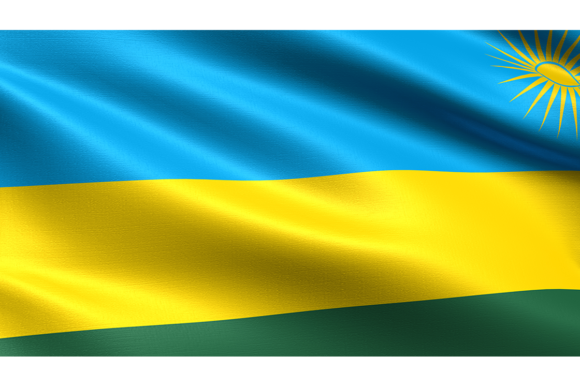
When you need a powerful symbol that feels both authentic and dynamic, a static image often falls short. This is where a highly detailed Rwanda Flag, waving fabric texture steps in. It’s not just a flat graphic of the national emblem; it’s a digital asset that captures the flag in motion, rendered with a realistic, textured fabric surface. The image is designed to look as if it’s caught in a gentle breeze, with natural folds, shadows, and highlights that give it a tangible, three-dimensional quality. The result is a beautiful, blowing flag that conveys energy, pride, and realism. This level of detail, presented in a crisp 3840×2160px resolution, moves beyond basic illustration into the realm of authentic visual storytelling, making it a valuable piece for any designer's toolkit.
The visual personality of this asset is one of graceful strength. The blue, yellow, and green stripes of the Rwanda flag are rendered with a richness that flat colors cannot achieve. The fabric texture adds a layer of sophistication, suggesting a physical object rather than a digital placeholder. This style is inherently versatile. It can feel patriotic and solemn for official communications, or it can be energetic and modern when used in dynamic presentations or social media campaigns. Its overall appeal lies in its ability to bridge the gap between symbolic representation and photographic realism, offering a piece that feels both meaningful and professionally crafted.
Where This Waving Texture Truly Shines
Understanding where to deploy such a specific asset is key to its effectiveness. Its strength lies in projects where symbolism, movement, and a premium feel are required. For brand identity work, especially for organizations, events, or campaigns with a connection to Rwanda, this texture can be a foundational element. Imagine it as a subtle background layer on a website hero image, or as the central graphic on a conference badge. It immediately establishes context and a sense of occasion without saying a word.
For presentation design, this asset is a game-changer. Instead of using a generic globe or handshake image, incorporating a realistic, waving flag adds a specific and powerful point of reference. It’s perfect for slides discussing national projects, economic partnerships, cultural exchanges, or travel initiatives. The high resolution ensures it remains sharp and impactful even when projected on a large screen. Similarly, in editorial design for magazines, reports, or digital articles, this texture can serve as a compelling header image that sets the tone for the content that follows.
The applications extend far beyond formal documents. Social media graphics benefit immensely from its dynamic quality. A post celebrating a national holiday, an achievement, or a cultural moment gains instant visual weight when backed by this authentic flag texture. It can be used as a full background or as a standalone graphic element. For motion graphics, the inherent sense of movement in the waving fabric provides a perfect starting point for animations. A designer could use it as a texture map on a 3D object or create a subtle parallax effect in a video intro. Even for personal projects, such as creating a unique phone wallpaper, a printable poster, or a custom greeting card, this asset offers a way to incorporate a meaningful symbol with a high-end, artistic touch.
Integrating the Asset: Practical Design Guidance
Simply having a great asset isn’t enough; knowing how to integrate it separates good design from great design. The first consideration is visual hierarchy. The Rwanda Flag, waving fabric texture is a strong visual element. If it’s used as a background, ensure your foreground text and graphics have enough contrast to remain highly legible. Using a semi-transparent overlay or a text box with a solid color can help create separation. The goal is to let the flag enhance the message, not compete with it.
When it comes to font pairing, the choice of typography will significantly influence the final mood. To maintain a modern and professional feel, pair the flag texture with a clean, sturdy sans serif font. Typefaces like Helvetica, Open Sans, or Montserrat provide excellent readability and a contemporary look that complements the detailed texture without creating visual clutter. For a more traditional or official tone, a classic serif font like Times New Roman or Georgia can be effective, lending a sense of authority and formality. Avoid overly decorative script fonts or handwritten fonts for body text, as they can become difficult to read against the complex background, though a bold display version might work for a short, impactful headline.
Evaluate the project’s overall tone. Is it celebratory, informational, or corporate? The flag texture can be adapted accordingly. In a celebratory social media post, you might pair it with bright, bold colors and energetic typography. In a formal report, you’d let it sit more quietly, perhaps desaturated slightly or used in a corner, paired with a restrained color palette and a professional typeface. Always test your designs at the intended output size, whether for a small web thumbnail or a large-format print. The 3840×2160px resolution gives you plenty of room to crop and adjust without losing quality, ensuring the design asset performs flawlessly across all your print documents, websites, and digital platforms.