Panama Flag, Waving Fabric Texture: Elevate Your Design Assets
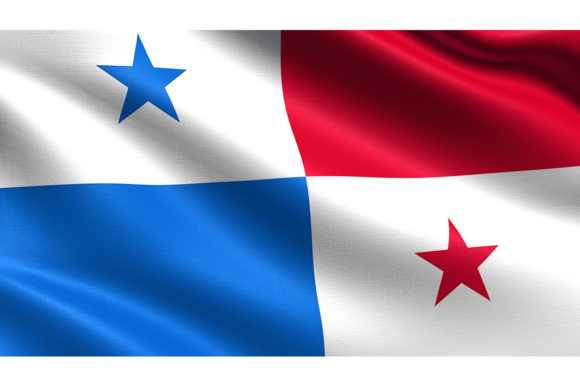
There is a specific kind of magic in the movement of fabric against the wind, a sense of life and presence that static images often struggle to capture. When we look at the Panama Flag, Waving Fabric Texture, we aren't just seeing a standard clipart; we are witnessing a realistic depiction of national pride captured in high-definition motion. This design asset serves as a bridge between standard graphic design and immersive visual storytelling. For designers, marketers, and content creators, finding an image that feels authentic—complete with the creases, folds, and shadows of a real cloth—is essential for maintaining credibility. This asset isn't merely a colored rectangle; it is a textured, dynamic element that brings depth to any project.
The Anatomy of Realism: Why Texture Matters
In the realm of digital design, realism is often the deciding factor between a professional project and an amateur one. The Panama Flag, Waving Fabric Texture succeeds because it respects the physics of the physical world. You can see the high-detail fabric weave, the way the light catches the peaks of the folds, and the deep shadows cast in the valleys of the material. This level of detail is crucial for modern typography and graphic integration. When you place text or other design elements over a flat, low-resolution background, the result is often sterile. However, integrating a waving flag creates a sense of depth and atmosphere.
The visual characteristics of this specific asset are defined by its movement. It captures the "personality" of the wind. For a brand identity or a presentation, this suggests momentum, progress, and energy. It is a beautiful flag blowing in the wind, which conveys a feeling of freedom and openness. Whether you are working on a web design project or a physical brochure, the tactile quality of the fabric texture helps to ground the viewer's attention. It transforms a standard background into a scene.
Strategic Applications for Creators and Businesses
Understanding where to deploy the Panama Flag, Waving Fabric Texture is key to maximizing its impact. Because of its 3840×2160px resolution, this image is incredibly versatile. It is not just for websites; it is a robust design asset for high-end print and motion.
- Corporate Presentations and Motion Graphics: If you are pitching to an international audience or discussing business in Panama, a static slide feels lifeless. Using this waving texture as a background for your motion graphics adds a layer of professionalism. It suggests that your brand is dynamic and established.
- Social Media Graphics and Web Design: On platforms like Instagram or LinkedIn, visual noise is high. A realistic flag with highly detailed fabric texture stands out because it offers visual complexity without being cluttered. It works beautifully behind bold sans serif font headlines, creating a strong contrast between the organic movement of the flag and the structured geometry of the text.
- Print Document and Editorial Design: For publishers creating travel brochures, history textbooks, or cultural magazines, print quality is non-negotiable. The .jpg format at this resolution ensures that the fabric texture remains crisp even on large banners or A3 spreads. It serves as an excellent backdrop for editorial design, allowing you to overlay text blocks while maintaining visual interest.
Integrating the Asset into Brand Identity
For entrepreneurs and small business owners, brand identity is about consistency and recognition. Using the Panama Flag, Waving Fabric Texture can help establish a specific tone. It works particularly well for businesses in the tourism sector, international trade, logistics, or cultural exchange. However, its application goes beyond literal representation.
Consider the psychological impact of the image. A waving flag represents resilience and pride. By incorporating this texture into your logo design concepts or packaging mockups, you are subconsciously communicating these values to your audience. It is a premium font of imagery—meaning it carries the weight of quality and care. Just as a designer selects a serif font for tradition or a script font for elegance, choosing a textured, realistic background signals authenticity.
Practical Design Guidance: Pairing and Composition
Successfully using a complex background like the Panama Flag, Waving Fabric Texture requires a thoughtful approach to hierarchy. Because the background has high visual activity (folds, shadows, color gradients), your foreground elements need to be legible and distinct.
Typography and Readability
When overlaying text on this texture, you must prioritize readability. A common mistake in graphic design is placing thin, light-colored text over a detailed image. To counteract the movement of the flag, consider using a heavy weight display font or a bold sans serif font. These typefaces have the visual "weight" to compete with the fabric texture.
Another effective technique is the use of a semi-transparent overlay or a vignette. By slightly darkening the edges of the image or placing a subtle gradient behind your text, you create a safe zone for reading. This maintains the beauty of the waving fabric texture while ensuring your message isn't lost in the folds of the cloth. This is a staple technique in web design and packaging design, where text clarity is paramount.
Color Harmony and Contrast
The Panama flag features a distinct palette of red, blue, and white. When designing around this asset, look for complementary colors in your typography and UI elements. White text often works best against the blue and red sections, while dark charcoal or black text can stand out against the white stripes. If you are using this for social media graphics, ensure that your call-to-action buttons do not clash with the primary colors of the flag. Instead, use neutral tones to let the flag remain the hero of the composition.
Technical Specifications for Professional Use
For the tech-savvy designer, the specifications of this asset are a major selling point. The image file format is .jpg, which offers broad compatibility across all software, from Adobe Photoshop to Canva and Microsoft PowerPoint. However, the true value lies in the resolution: 3840×2160px. This is 4K resolution, meaning the image is future-proof. You can crop into specific sections of the flag—perhaps focusing on a single star or a specific fold—without losing quality.
This high resolution makes it an ideal candidate for print document production. In the world of commercial font and asset usage, resolution dictates the ceiling of your creativity. With a lower resolution asset, you are limited to small thumbnails. With a 4K asset, you can create immersive, full-bleed backgrounds for trade show displays or high-definition video loops.
Licensing and Commercial Application
While the prompt describes the visual nature of the asset, creators must always be mindful of usage rights. When utilizing such a specific national symbol in commercial projects, such as packaging design or merchandise, it is vital to ensure you have the appropriate license for commercial use. A high-quality asset like this is often sold as a premium resource, granting you the peace of mind to use it in client work, YouTube videos, or paid advertising campaigns without legal risk.
Conclusion: A Versatile Asset for the Modern Creator
The Panama Flag, Waving Fabric Texture is more than just a stock photo; it is a versatile tool for visual communication. It combines the emotional weight of national symbolism with the technical precision required for modern digital and print media. Whether you are a hobbyist creating a scrapbook page, a blogger writing about travel, or a brand strategist developing a campaign, this asset provides the realism and quality needed to make your work stand out. By treating this image not just as a background, but as a foundational element of your visual hierarchy, you can create designs that are professional, engaging, and deeply resonant.