India Flag, Waving Fabric Texture: The Ultimate Design Asset
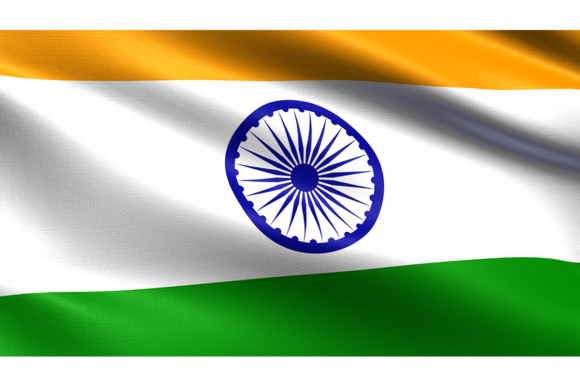
There is a profound difference between a flat, static symbol and one that feels alive with motion and history. When we talk about the India Flag, Waving Fabric Texture, we are discussing far more than just a digital image of a national emblem. We are looking at a high-fidelity design asset that captures the very essence of the tricolor—saffron, white, and green—as it interacts with the wind. This specific resource features a realistic flag blowing in the wind, complete with highly detailed fabric texture. It is not just a graphic; it is a visual narrative of pride, movement, and high-quality craftsmanship that immediately elevates any project it touches.
For designers, entrepreneurs, and content creators, the visual quality of an asset dictates the success of the final product. The "India Flag, Waving Fabric Texture" offers a resolution of 3840×2160px, stored in a versatile .jpg format. This ensures that whether you are zooming in for a close-up crop or scaling it down for a web icon, the integrity of the fabric's weave remains intact. The light and shadow play across the folds of the cloth, creating a three-dimensional effect that flat graphics simply cannot replicate. This level of detail brings a tactile quality to digital screens, making it an indispensable tool for anyone looking to add realism to their work.
Visual Characteristics and Authentic Appeal
The true power of this image lies in its texture. When you look at the waving fabric, you can almost feel the material. It captures the subtle creases and ripples that occur when a flag is caught in a gust of wind. This movement is crucial for visual storytelling. A static flag represents a concept; a waving flag represents a living nation. The texture adds depth, preventing the image from looking like a generic clipart element. Instead, it feels like a photograph taken at the exact moment of patriotic celebration. This realism is vital for projects that require emotional resonance, such as Independence Day campaigns or cultural heritage presentations.
From a color perspective, the high-resolution capture ensures that the specific shades of the Indian tricolor are represented accurately. The saffron at the top often catches the light differently than the green at the bottom, depending on the angle of the folds. The white middle band, often the most challenging to render without looking washed out, retains its brightness while naturally falling into the shadow of the fabric’s creases. This attention to detail makes the India Flag, Waving Fabric Texture a premium asset. It respects the sanctity of the flag while delivering a visually stunning piece of design material.
Strategic Applications Across Industries
Understanding where to deploy this asset is key to maximizing its impact. The versatility of a 4K waving flag image allows it to function seamlessly across various mediums, from digital interfaces to physical print.
Corporate and Commercial Use
For businesses operating in or with India, branding consistency is paramount. This image works beautifully in logo design concepts where a mascot or emblem incorporates the flag. It is equally effective in packaging design for products that want to emphasize their "Made in India" origin. Imagine a premium tea brand or a tech gadget box featuring this realistic texture in the background—it instantly communicates quality and national pride. In web design, it can serve as a hero image for landing pages during national holidays, replacing standard stock photos with a dynamic, engaging visual that holds the user's attention.
Digital Marketing and Social Media
In the fast-paced world of social media graphics, stopping the scroll is the primary objective. The movement implied by the "blowing in the wind" aspect of this texture creates a sense of urgency and life. Marketers can use this as a background for Republic Day or Independence Day sale announcements. The texture is bold enough to stand out but detailed enough to serve as a sophisticated backdrop for text overlays. Because it is a .jpg file with high resolution, it maintains clarity even on large desktop monitors, making it perfect for Facebook cover photos or YouTube video thumbnails.
Editorial and Publishing
Publishers and bloggers focusing on travel, history, or current events will find this asset invaluable for editorial design. It adds a professional polish to article headers that standard stock photography often lacks. For print document creation, such as annual reports for multinational companies or invitations to cultural events, the 3840×2160px resolution ensures the print is crisp and artifact-free. It bridges the gap between digital convenience and print quality, ensuring the fabric texture looks just as good on paper as it does on a screen.
Motion Graphics and Video
Video creators often struggle to find static images that don't look jarring in motion. However, the inherent "waving" nature of this specific texture makes it ideal for motion graphics. When used in video editing software, this image can be manipulated to simulate continuous movement, or simply used as a static background that feels inherently dynamic. It prevents the "flat" look that plagues many video presentations, adding a layer of production value that audiences subconsciously recognize as professional.
Enhancing Brand Perception and Visual Hierarchy
The choice of imagery directly influences how an audience perceives a brand. Using a low-quality, pixelated flag can inadvertently suggest a lack of attention to detail or a budget constraint. Conversely, integrating a realistic flag with highly detailed fabric texture signals professionalism and respect. It tells your audience that you care about the quality of your visual communication.
In terms of visual hierarchy, the texture of the waving flag helps separate foreground elements from the background. The depth created by the folds allows text or logos placed on top of it to stand out more effectively than they would on a flat color background. This is particularly useful in packaging design and web design, where readability is non-negotiable. The texture adds enough visual interest to make the background engaging without being distracting, striking the perfect balance needed for effective communication.
Practical Integration Tips
To get the most out of this design asset, consider the following practical guidelines:
- Color Grading: While the image is captured realistically, you may need to adjust the saturation or contrast to match your specific brand palette. Ensure that the saffron and green tones align with your existing color scheme to maintain brand identity.
- File Management: At 3840x2160px, the file size is substantial. For web use, optimize the image to reduce load times without sacrificing the visible texture. For print, maintain the original resolution to ensure the fabric weave is visible in the final output.
- Layering Techniques: In graphic design software, try using blend modes like "Multiply" or "Overlay" to integrate the flag texture with other background elements. This can create unique, artistic compositions for social media graphics.
- Context Matters: Always use the flag with respect. Ensure it is not obscured by excessive text or used in a context that might be deemed disrespectful. The waving nature of the flag demands a certain level of prominence in the layout.
Ultimately, the India Flag, Waving Fabric Texture is more than just a stock image; it is a versatile design tool. It serves the entrepreneur launching a patriotic campaign, the designer crafting a corporate identity, and the educator creating a history lesson. By leveraging its high resolution and realistic movement, you can transform standard projects into memorable visual experiences that resonate deeply with a diverse audience. Whether for a website header, a printed brochure, or a motion graphic sequence, this asset provides the quality and authenticity required to make a lasting impression.