Morocco Flag, Waving Fabric Texture: A Premium Design Asset
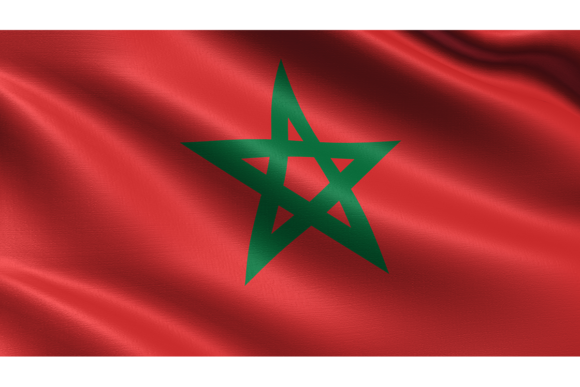
When you are building a brand or creating a presentation, the background is rarely just a background; it is the foundation of your narrative. If you are looking for a design asset that conveys heritage, movement, and high-definition realism, the Morocco Flag, Waving Fabric Texture is an essential addition to your creative toolkit. This isn't a flat, static clipart image. It is a highly detailed, 3840×2160px rendering of the Moroccan standard, captured in a dynamic state of motion. The crimson field and the emerald green pentagram look incredibly authentic here, draped in a texture that mimics real silk or nylon, complete with realistic folds, shadows, and highlights that react to an invisible wind. For a designer, entrepreneur, or content creator, this level of realism bridges the gap between digital art and tangible reality.
The Anatomy of Realism: Fabric Texture and Visual Appeal
What makes this specific asset stand out in a sea of generic stock imagery? It comes down to the waving fabric texture. In the world of modern typography and graphic design, texture is everything. A flat color can feel sterile, but a textured surface invites the viewer to look closer. This image captures the specific way light interacts with draped material. You will notice the deep shadows in the valleys of the folds and the bright peaks where the fabric catches the light. This creates a natural depth that makes the flag appear three-dimensional.
The visual personality of this image is one of pride and fluidity. The "blowing in the wind" effect introduces a sense of life and energy. For a marketer or publisher, this energy is crucial. It suggests that the brand or content associated with it is active, current, and vibrant. The resolution—3840×2160px—is another critical factor. This is Ultra High Definition (4K). Whether you are using this for a massive print banner or a high-density retina display website, the threads of the fabric remain distinct. There is no pixelation, only pure clarity. This asset functions much like a premium font; it signals quality and attention to detail.
Strategic Applications: From Brand Identity to Motion Graphics
Understanding where to deploy the Morocco Flag, Waving Fabric Texture is key to maximizing its value. Because of its high fidelity and .jpg format, it integrates seamlessly into almost any workflow, whether digital or physical.
Corporate and Brand Identity
For businesses operating within Morocco or those with strong ties to the region, this image is a cornerstone for brand identity. Imagine using this as a backdrop for a logo design presentation. Placing a sleek, modern typography wordmark over the waving fabric creates a powerful contrast between rigid digital precision and organic natural movement. It works exceptionally well for packaging design elements where a touch of national pride is needed without looking kitschy. It adds a layer of sophistication to corporate reports, pitch decks, and investor presentations, grounding the data in a recognizable cultural context.
Digital Marketing and Social Media
In the fast-paced world of social media, stopping the scroll is the primary objective. This texture serves as a brilliant background for social media graphics. Whether you are crafting an Instagram story, a Facebook cover, or a LinkedIn post, the waving motion of the flag draws the eye. It is perfect for national holidays, sporting events, or cultural celebrations. Because the image is so detailed, it holds up well when cropped for different aspect ratios. You can zoom in on a specific section of the green star or the red background to create a unique texture for your web design headers, ensuring your site looks distinct and professional.
Editorial and Print Media
For those in editorial design, the applications are vast. This image works beautifully as a full-page bleed in a magazine or a background for a magazine spread. If you are writing a travel article, a culinary feature, or a historical piece, this flag provides an authentic atmosphere. It also serves well in print document design. Think of event programs, certificates of achievement, or conference badges. Using this texture elevates a standard document into a keepsake. It pairs surprisingly well with various typefaces; whether you are using a serif font for a classic look or a sans serif font for a contemporary vibe, the fabric texture softens the layout and adds warmth.
Design Psychology: How Texture Influences Perception
Why does a waving texture matter so much to your audience? It taps into the psychology of perception. A static, flat image is easy to ignore. It feels digital and artificial. However, a texture that implies movement and physicality engages the viewer's tactile senses. When you use the Morocco Flag, Waving Fabric Texture, you are subconsciously telling your audience that your content is real, tangible, and worthy of their attention.
This asset influences visual hierarchy significantly. By placing text or vector elements over the folds of the flag, you create layers. The background is no longer just "empty space"; it is an active participant in the design. This helps guide the viewer's eye. You can position your headline in a lighter area of the fabric to ensure maximum readability, while letting the darker folds frame the edges of your design. This technique creates a natural vignette effect that centers the focus on your message.
Practical Guidance for Designers and Creators
Integrating this asset effectively requires a bit of strategy, much like choosing the right font pairing. Here is how to get the most out of it:
- Evaluating Project Fit: This texture is bold. It works best when your project requires a strong cultural anchor. If your design is already very busy with patterns and colors, the flag might compete for attention. In those cases, consider using a blurred version or overlaying a semi-transparent color block to mute the intensity while keeping the texture.
- Testing Font Pairings: Because the background is organic and flowing, your typography should generally offer some contrast. A geometric sans serif font often pairs well here because the clean lines of the letters stand out against the chaotic folds of the fabric. Alternatively, a strong serif font can add a sense of timeless authority. Avoid overly decorative script fonts or handwritten fonts for body copy, as they might become difficult to read against the movement of the flag. However, a large, elegant script for a headline can look stunning if placed over a calm area of the texture.
- Color Coordination: The primary colors are Red and Green. When adding text, white is a safe, high-contrast choice. However, don't be afraid to pick a deep charcoal or a warm cream to soften the contrast slightly for a more sophisticated editorial look.
- Motion Graphics: For video editors, this static image is a goldmine. Using parallax effects, you can make the flag appear to move even more, or slowly zoom in to create a cinematic intro or outro for your video content.
Final Thoughts on Quality Assets
In the crowded space of digital content, the tools you choose define your output. Using low-resolution or generic imagery can undermine even the best copy or the most innovative product. The Morocco Flag, Waving Fabric Texture is more than just a picture of a flag; it is a high-end design asset that brings professionalism and emotion to your work. Whether you are a small business owner looking to localize your branding, a crafter making custom goods, or a graphic designer assembling a complex layout, this texture provides the realism and quality needed to make your projects stand out. It is a versatile, beautiful, and practical addition to any creative library.