Laos Flag Waving Fabric Texture: A Realistic Design Asset
There is a profound difference between a flat, static icon of a national flag and a design element that feels alive. In the world of digital assets and print media, realism is often the key to emotional connection. When you are building a presentation, crafting a social media post, or designing a print document, a standard clipart image often falls short of conveying the gravity and beauty of a subject. This is where a high-quality, realistic rendering of the Laos Flag, Waving Fabric Texture becomes an indispensable tool. It is not merely a picture of a flag; it is a captured moment of movement, texture, and light that brings a professional polish to any project.
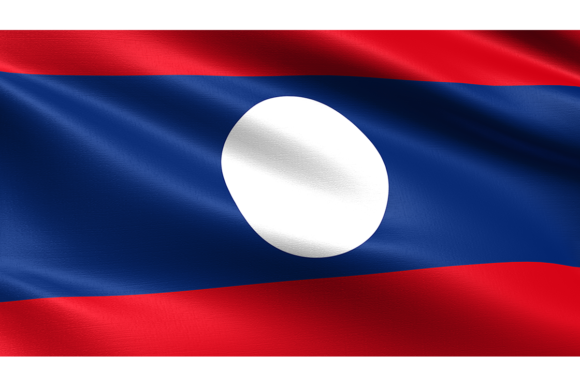
The visual characteristics of this specific asset are what set it apart. At a massive resolution of 3840×2160px, the image captures the intricate weave of the fabric in stunning clarity. You can see the subtle shadows created by the folds of the cloth, the way the light catches the peaks of the creases, and the slight translucency at the edges where the fabric thins out as it blows in the wind. The Laos flag itself is visually striking—featuring a wide blue horizontal stripe in the center representing the Mekong River and prosperity, flanked by two red stripes symbolizing the blood shed for freedom. In the center, the white circle stands for the full moon over the Mekong. When rendered in this waving fabric texture, the white circle appears slightly distorted by the movement, adding a layer of organic authenticity that a flat vector graphic simply cannot achieve.
Integrating Realism into Modern Design
For designers, entrepreneurs, and content creators, the utility of a realistic flag extends far beyond simple patriotic displays. In modern typography and layout design, texture plays a crucial role in establishing visual hierarchy. A flat background can sometimes feel sterile, but introducing a textured element like this waving flag adds depth and context. It serves as a powerful design asset that can anchor a composition, drawing the viewer's eye without overwhelming the text or other graphic elements.
Consider the context of brand identity and logo design for companies operating in or connected to Laos. While you might not use a photograph of a flag directly inside a logomark, it is incredibly effective for brand collateral. Think about the cover of an annual report, the header of a corporate website, or the backdrop of a keynote presentation. Using the Laos Flag, Waving Fabric Texture signals stability and national pride, but the waving motion suggests progress and dynamism. It moves the brand perception from static and bureaucratic to active and engaging. This is a subtle but powerful psychological trigger in editorial design and packaging design, where the goal is to evoke specific feelings through imagery.
Practical Applications for Diverse Formats
One of the most significant advantages of this asset is its versatility across different mediums. Because the file is a high-resolution .jpg, it is ready for almost any application immediately.
- Print Documents: For reports, flyers, or certificates, the high DPI ensures that the fabric texture remains sharp even on large format prints. It avoids the pixelation that plagues lower-quality stock images.
- Social Media Graphics: On platforms like Instagram, LinkedIn, or Facebook, visual noise is high. A realistic, textured background helps your content stand out in a busy feed. It adds a layer of professionalism that generic stock photos lack.
- Motion Graphics and Video: Video editors can utilize this image as a background plate or a texture overlay. The static image can be manipulated in software like After Effects to add parallax effects or additional motion, creating a dynamic video background for news segments or cultural features.
- Web Design: As a hero image or a section divider, the flag texture breaks up the monotony of solid color blocks, adding a tactile quality to the user experience.
Evaluating Fit and Font Pairing Strategies
When incorporating such a detailed design asset into your work, the surrounding elements—specifically typography—must be chosen carefully to ensure readability. Because the Laos Flag, Waving Fabric Texture is visually complex with its folds and colors, it acts as a busy background. If you place text directly over the most active areas of the fabric, you risk losing legibility.
This is where your choice of typeface becomes critical. You want to avoid script fonts or highly detailed serif fonts with thin strokes, as they will get lost in the texture. Instead, look for a sturdy sans serif font or a bold display font. A heavy weight creates a strong contrast against the detailed weave of the fabric. Furthermore, it is often best practice to use a "knockout" technique—placing a semi-transparent overlay or a text box behind your typography—to ensure the message is clear while the flag remains visible in the background.
For brand consistency, ensure that the colors you pull from the flag (the specific blues, reds, and white) are matched accurately in your text and accent graphics. This creates a cohesive palette that feels intentional rather than accidental. Whether you are designing for a commercial font specimen sheet, a tourism brochure, or a creative font showcase, the flag provides a rich color story to draw from.
Licensing and Professional Usage
For small business owners and freelancers, understanding the licensing of your assets is just as important as the aesthetics. A premium font or image asset usually comes with specific terms regarding commercial use. When downloading this Laos Flag asset, verify that the license covers your intended use, whether that is for a client’s website, a printed merchandise line, or a digital advertisement. High-quality assets are an investment in your project's perceived value; treating them with professional respect regarding licensing ensures you avoid legal headaches down the road.
Ultimately, the goal of using a Laos Flag, Waving Fabric Texture is to bridge the gap between digital sterility and physical reality. It acknowledges that the best designs often mimic the tangible world we live in. By utilizing this realistic, high-resolution image, you are equipping yourself with a versatile tool that elevates the quality of your presentations, enriches your social media graphics, and adds a touch of authentic craftsmanship to your web design and print projects. It is a simple addition that makes a complex statement about the quality and care you put into your work.