Costa Rica Flag Waving Fabric Texture: Dynamic Design Asset
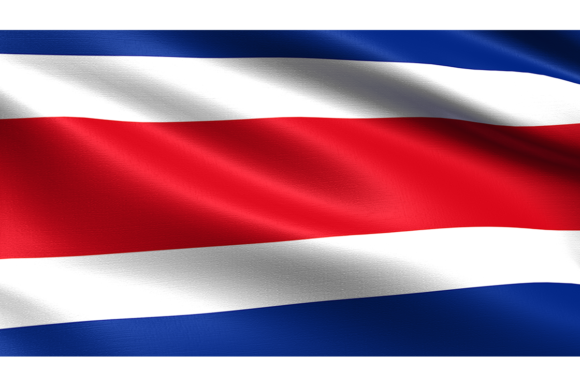
In the world of visual storytelling, static images often fail to capture the energy and emotion required to make a lasting impact. For designers, marketers, and content creators, the search for premium design assets that convey movement and authenticity is constant. The Costa Rica Flag, Waving Fabric Texture represents a specific solution to this challenge, offering a hyper-realistic depiction of the national flag caught in a breeze. This is not merely a flat graphic; it is a high-fidelity display font for the eyes—a visual element that brings the tactile quality of woven fabric and the dynamism of wind into your digital and print projects.
The Visual Language of Realism
Understanding the visual characteristics of this asset is key to utilizing it effectively. The primary appeal lies in the highly detailed fabric texture. You can see the weave of the cloth, the subtle shadows cast by the folds, and the way the light interacts with the surface. This level of detail creates a sense of physical presence that flat, vectorized graphics simply cannot match. The blue, white, and red stripes of the Costa Rican flag are rendered with accurate color grading, ensuring that the national identity is represented with respect and precision.
The "waving" aspect introduces a critical element of asymmetry and flow. Unlike a static logo design element, this texture suggests energy, breeze, and movement. This makes it an incredibly versatile creative font equivalent for backgrounds. It adds a layer of complexity and sophistication to a composition without overwhelming the foreground content. Whether used as a subtle backdrop for text or as a bold hero image, the Costa Rica Flag Waving Fabric Texture bridges the gap between digital sterility and organic reality.
Strategic Applications for Modern Creators
The utility of a beautiful flag blowing in the wind extends far beyond simple patriotic displays. For the modern brand strategist or marketer, this asset serves as a powerful tool for visual communication. Here is how different professionals can integrate this texture into their workflows:
- Presentation and Motion Graphics: In a corporate presentation or a video intro, movement commands attention. Using this texture as a background layer adds a professional, cinematic quality. It works exceptionally well in video loops where the motion graphics require a living, breathing background rather than a static color block.
- Social Media and Web Design: Algorithms favor engagement, and high-quality imagery drives interaction. For social media graphics related to cultural events, travel, or international business, this texture provides an immediate visual hook. In web design, it can serve as a hero banner that instantly communicates a theme of global connection or Costa Rican heritage.
- Print and Editorial Design: The 3840x2160px resolution ensures that this image holds up beautifully in editorial design. It can be used as a full-bleed background for magazine covers, brochures, or event invitations. The .jpg file format is universally compatible, making it easy to drop into print document layouts in software like InDesign or Illustrator without compatibility issues.
- Packaging and Product Mockups: For products with a Latin American theme or those celebrating Costa Rican culture, this texture adds authenticity to packaging design. It helps create a "shelf appeal" that feels tangible and high-end.
Integrating Texture into Visual Hierarchy
One of the most common mistakes in using complex backgrounds is compromising readability. When working with the Costa Rica Flag texture, you must consider how it interacts with your typography. The fabric folds create areas of varying light and dark. A skilled designer will use these natural contours to place text. For example, placing a headline over a shadowed fold can increase contrast, while placing text over a bright highlight might wash it out.
This asset influences visual hierarchy by adding depth. It pushes the background back visually, allowing foreground elements to pop. However, it requires careful pairing. If you are using a sans serif font for your headers, ensure the weight is heavy enough to stand against the texture. A thin, delicate script font might get lost in the fabric weave. Conversely, a bold, geometric serif font can create a striking contrast against the organic lines of the waving flag, balancing the composition.
Evaluating Fit and Licensing
Before integrating any asset into a commercial project, practical evaluation is necessary. First, consider the context. While the image is high quality, using a national flag requires cultural sensitivity. Ensure your message aligns with the values the flag represents. From a technical standpoint, the resolution is ideal for 4K screens and large-format printing, but always check the specific dimensions against your layout requirements.
Regarding commercial font and asset licensing—though this is an image, the same principles apply. Verify that the license allows for the intended use, whether it is for a client's website, a printed flyer, or a video broadcast. Most design assets of this caliber come with standard licenses, but for widespread commercial distribution, checking the terms is a professional necessity.
Practical Recommendations for Pairing
To get the most out of this premium asset, think about the "personality" of your typography. The waving flag conveys motion, passion, and nature. Therefore, your typeface choices should complement this energy.
- For Modern Contrast: Pair the organic texture with a clean, modern typography choice like a neo-grotesque sans serif font. This juxtaposition highlights the realism of the flag while keeping the overall design feeling fresh and digital.
- For Traditional Elegance: If the goal is to evoke heritage or prestige, use a transitional serif font. The serifs can echo the structured nature of the flag's stripes, while the texture softens the formality.
- For Creative Expression: Use a handwritten font or script font for accents. Because the background is so realistic, a humanist font can enhance the personal, crafted feel of the design.
Ultimately, the Costa Rica Flag, Waving Fabric Texture is more than just a stock image; it is a versatile design tool. It allows content creators, entrepreneurs, and hobbyists to inject a sense of realism and movement into their work. By respecting the visual weight of the texture and pairing it with appropriate typography, you can transform a standard layout into a dynamic, engaging visual experience. Whether you are designing a brand identity