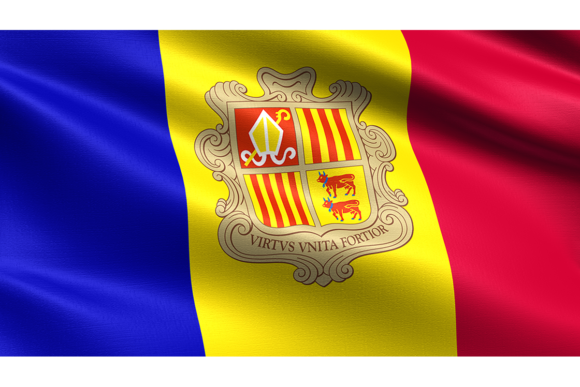
Saint Lucia Flag: Elevate Designs with Realistic Waving Texture
When you are building a brand or creating a presentation, the background does the heavy lifting for the mood. A generic white slide or a flat, uninspired website header can make even the best content feel boring. For anyone working on projects related to the Caribbean, travel, or international culture, finding the right visual asset is crucial. You need something that feels alive. This is where the Saint Lucia Flag, Waving Fabric Texture comes into play. It is not just a static image of a national symbol; it is a high-definition capture of movement, texture, and patriotism.
This specific asset features the iconic cerulean blue background with the distinct triangular design in golden yellow and black, representing the Pitons. However, the difference lies in the execution. The "waving fabric texture" aspect means you are getting a realistic depiction of cloth. You can see the creases, the folds, and the way light interacts with the surface. At a resolution of 3840x2160px, this premium design asset offers enough detail for 4K displays and large-format printing. It brings a tactile quality to digital screens, bridging the gap between the physical and the digital world.
The Power of Realism in Modern Typography and Imagery
In the current landscape of modern typography and web design, realism is making a comeback. For years, the trend was flat design—minimalist icons and solid color blocks. While that style is still valid, there is a growing desire for imagery that feels grounded and authentic. A waving flag introduces an element of kinetic energy. It suggests wind, life, and presence. When you place this image behind a display font or a serif font, it creates a dynamic contrast. The rigid structure of the letters stands out against the organic flow of the fabric.
For brand identity projects, particularly those involving Caribbean tourism, cultural events, or diaspora communities, this realism is vital. It communicates respect for the culture. A flat, vectorized flag can sometimes look cheap or temporary. A high-resolution, textured image looks substantial and professional. It tells the audience that you care about the details. Whether you are a small business owner promoting a travel package or a content creator making a video about Caribbean history, this texture adds a layer of credibility that flat graphics cannot match.
Practical Applications for Designers and Creators
The versatility of the Saint Lucia Flag image makes it a valuable addition to any creative’s toolkit. It fits seamlessly into various mediums, from digital to print. Here is how different professionals can utilize this asset:
- Social Media Graphics: Use it as a background for Independence Day posts or cultural celebration announcements. The movement in the fabric grabs attention in a fast-scrolling feed.
- Motion Graphics: If you are working on video content, this texture can be mapped onto 3D objects or used as a parallax background to add depth to your footage.
- Print Document Design: Brochures, flyers, and event programs benefit from high-res textures. The 3840x2160px resolution ensures the image remains crisp even on A4 or Letter-sized paper.
- Web Design: It works beautifully as a hero image for a website header. It sets an immediate tone without overwhelming the font pairing you choose for your headline text.
- Packaging Design: For products sourced from Saint Lucia, such as rum, cocoa, or spices, this texture can evoke a sense of origin and authenticity on the label.
Integrating Texture with Typography
One of the biggest challenges in graphic design is legibility. When you use a busy background like a waving flag, your text needs to stand out. This is where understanding visual hierarchy comes in. You cannot simply slap a script font or a handwritten font over the image and expect it to be readable.
Instead, consider using a bold sans serif font for your main headlines. The clean, geometric lines of a sans serif typeface provide a strong anchor against the fluid movement of the flag. If you want to use a more decorative typeface, you will likely need a semi-transparent overlay or a shadow effect to separate the text from the background. The goal is to use the texture to frame your message, not to compete with it. Think of the flag as the stage and your typography as the actor. The stage sets the scene, but the actor delivers the lines.
Evaluating the Asset for Your Project
Before integrating the Saint Lucia Flag, Waving Fabric Texture into your workflow, it is important to evaluate how it fits your specific needs. First, look at the color palette. The cerulean blue is vibrant. Does it clash with your brand colors? If your brand uses cool tones, it will blend well. If you use warm earth tones, the blue might pop too much, which could be a good or bad thing depending on your intent.
Next, consider the "fabric" aspect. The texture implies a certain level of formality and tradition. It works well for editorial design and professional presentations. It might feel out of place in a hyper-futuristic, sci-fi themed project, but it fits perfectly in travel, government, educational, or cultural contexts. Because the file is a JPG, it is universally compatible with almost every piece of software, from Adobe Photoshop and Illustrator to Canva and Microsoft Word. This ease of use makes it a practical choice for quick turnarounds.
Commercial Use and Professional Polish
For entrepreneurs and marketers, the professional polish of your materials directly influences how customers perceive your business. Using low-quality stock images or poorly clipped flags can make a brand look amateurish. This high-resolution texture signals quality. It shows that you invest in your presentation.
When using this for commercial purposes, such as in advertising or logo design backgrounds, ensure that the flag is presented respectfully. National symbols carry weight. By using a realistic, high-quality image rather than a cartoonish representation, you honor that weight. This asset allows you to create visuals that are both beautiful and culturally sensitive. It bridges the gap between artistic expression and professional marketing requirements, making it a smart investment for anyone looking to connect with a Caribbean audience or celebrate Saint Lucian heritage.