The Solomon Islands Flag: A Designer's Guide to National Symbolism
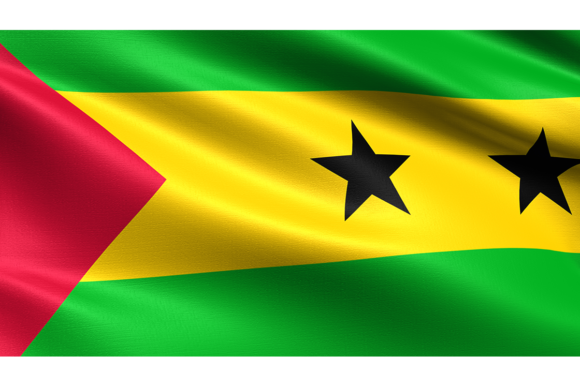
There's a certain power in a flag that goes beyond its colors and shapes. It tells a story, evokes an emotion, and carries the weight of a nation's identity. For designers, a highly detailed, realistic rendering of the Solomon Islands flag isn't just a pretty picture—it's a versatile and potent design asset. We're talking about a high-resolution (3840×2160px) image file that captures the flag as if you were standing right there, watching it ripple in a tropical breeze. The fabric texture is so tangible you can almost feel the weave, the shadows so nuanced they give the flag a life of its own. This isn't a flat, sterile graphic; it's a piece of visual storytelling ready to be integrated into your most compelling projects.
Understanding the Visual Language of the Solomon Islands Flag
Before you drop this image into a presentation or a social media graphic, it's worth appreciating what you're working with. The design is a masterclass in symbolic color and composition. The rich blue background represents the surrounding Pacific Ocean, while the bold diagonal yellow stripe cutting across it symbolizes the sunshine of the islands. The green triangle stands for the lush vegetation of the land itself. Then, the five white stars in the blue triangle proudly represent the main island groups that make up the nation. This isn't a random arrangement; it's a visual narrative of geography, climate, and unity.
When you choose this particular asset, with its realistic blowing-in-the-wind effect and detailed fabric texture, you're adding layers of authenticity. The gentle folds and creases catch light and create depth, transforming a static symbol into a dynamic element. This texture prevents the flag from looking like a cheap clipart overlay and instead allows it to feel integrated, as if it physically exists within your design space. For any project requiring a touch of realism, heritage, or geographic reference, this asset delivers a level of quality that flat vectors simply cannot match.
Practical Applications Across Creative and Commercial Projects
So, where does this asset truly shine? Its versatility is one of its greatest strengths. Let's break it down by project type, moving from the obvious to the perhaps less-considered.
- Presentations and Reports: Ditch the generic stock photos for a background that adds context and professionalism. Using the Solomon Islands flag as a subtle, textured background for a slide about regional trade, environmental conservation, or cultural studies immediately grounds your content in its subject matter. The high resolution ensures it stays crisp even on large projectors or 4K screens.
- Web Design and Digital Media: This is a goldmine for web designers and content creators. Imagine a hero banner for a travel blog, a dive shop website, or a news article covering Pacific affairs. The flag image can serve as a powerful background, with text overlaid using a clean, legible typeface—a classic sans serif font often works best for readability against a detailed background. It instantly establishes credibility and visual interest.
- Social Media Graphics and Motion Design: In the fast-paced world of social media, you have seconds to grab attention. A post featuring this high-quality flag image for a national holiday, a cultural event, or a business announcement related to the Solomon Islands will stand out. For motion graphics, animating a slight parallax effect or a gentle zoom on this texture-rich image adds a layer of cinematic quality that elevates your video content.
- Print and Editorial Design: The .jpg format and massive 3840×2160px resolution make it perfect for print. Think about a magazine feature, a brochure for a tourism board, or even event posters. The texture will translate beautifully to paper, giving your printed materials a tactile, premium feel that engages the reader on a different level.
Making It Work: Technical and Strategic Considerations
Integrating any design asset effectively requires a bit of strategy. Simply placing the Solomon Islands flag image behind your content isn't enough; you need to consider how it interacts with your other design elements to build a cohesive brand identity or visual message.
Color and Contrast are Your Best Friends: The flag's palette of blue, green, yellow, and white is vibrant. When overlaying text, you must prioritize readability. Use a color contrast checker to ensure your text meets accessibility standards. Often, placing text over the darker blue or green areas with a high-contrast white or light yellow will yield the best results. You might also consider adding a subtle semi-transparent overlay (a dark blue or black at 20-40% opacity) between the flag and your text to ensure your message is front and center.
Font Pairing with Purpose: The flag itself has a bold, graphic personality. Pairing it with an overly ornate script font or a complex handwritten font can create visual chaos. Instead, let the flag be the star. Complement it with a clean, modern typeface. A sturdy sans serif font for body text and a slightly more distinctive display font for headlines can create a beautiful hierarchy. Think of the flag as the powerful visual element and your typography as the clear, confident voice that delivers the message.
Licensing and File Usage: Since this is a high-resolution, realistic image, it's crucial to understand its intended use. This asset is marketed as perfect for commercial projects like print documents, social media, and websites, which implies a broad commercial license. However, as a professional, always double-check the specific license terms provided with your download. Confirm that it covers your intended use, whether for a client project, a product for sale, or your own business marketing. This due diligence protects you and respects the creator's work.
A Final Thought on Authenticity
In an age of ubiquitous digital content, authenticity cuts through the noise. Using a design asset like this realistic Solomon Islands flag demonstrates an attention to detail and a respect for the subject that audiences, whether they are design-savvy peers or general consumers, can intuitively sense. It shows you’ve gone beyond the first result in a stock image search to find something that truly resonates. For designers, entrepreneurs, and content creators aiming to build a recognizable and professional brand identity, investing in such high-quality, thoughtful design assets is not an expense—it's a foundation for more impactful, engaging, and memorable work.