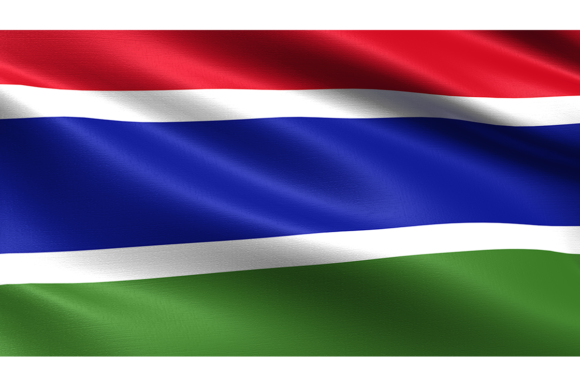
The Gambia Flag: A Waving Fabric Texture for Dynamic Designs
Beyond a Static Symbol: Capturing Motion and Authenticity
There's a profound difference between a flat, digital representation of a national flag and one that feels alive, caught in the moment of a breeze. The Gambia Flag, presented as a high-resolution waving fabric texture, is exactly this kind of asset. It’s not merely a collection of red, blue, green, and white stripes. It’s a realistic flag with a highly detailed fabric texture, where you can see the subtle weave of the material, the way light plays across the folds, and the dynamic, beautiful flag blowing in the wind. This isn't a sterile graphic; it's a photograph of an object with presence. The personality here is one of authenticity, energy, and tangible quality. It speaks to a design approach that values realism and emotional connection over flat, impersonal graphics.
Where This Realistic Texture Truly Shines: Practical Applications
The real-world value of a premium asset like the Gambia Flag waving fabric texture lies in its versatility. As a designer or content creator, you’re constantly searching for elements that elevate a project without complicating the workflow. This image, with its 3840×2160px resolution and .jpg format, is built for exactly that.
- Presentation Backgrounds: Dropping this into the background of a slide instantly adds depth and a professional, polished feel. It’s perfect for presentations related to international business, cultural topics, travel, or community events, providing context without overwhelming your text.
- Social Media Graphics: In the crowded feed of a platform like Instagram or Facebook, a static image can get lost. A banner or post featuring the Gambia Flag, Waving Fabric Texture catches the eye. The sense of motion and the detailed fabric make the graphic feel more substantial and worthy of attention.
- Editorial and Web Design: For a blog post about West African culture, a travel website, or a news article, this asset serves as a powerful header image. It sets the tone immediately and demonstrates a commitment to high-quality visual storytelling. The texture adds a layer of sophistication that a simple vector flag cannot match.
- Print Documents and Branding: When used in print, the high resolution ensures crisp, clear detail even at larger sizes. Think of report covers, event programs, or even elements within a thoughtful brand identity for an organization with ties to The Gambia. It communicates respect and attention to detail.
- Motion Graphics and Video: For video editors, this is a goldmine. You can use it as a background, a lower-third element, or even animate it slightly to create a gentle parallax effect, adding a layer of cinematic quality to your productions.
Essentially, any project where you need to represent The Gambia with dignity, energy, and a touch of modern design sensibility is a perfect fit. It moves the concept of a "flag graphic" from a simple icon to a rich design asset.
Making It Work: Guidance for Seamless Integration
Integrating a textured, realistic element like this requires a thoughtful approach to maintain visual hierarchy and readability. Here’s some practical guidance from a designer's perspective.
Font Pairing and Typographic Considerations
Because the flag image itself is so detailed, your typography needs to provide a clear counterpoint. Avoid overly ornate or script fonts for large blocks of text, as they will compete with the visual complexity of the fabric. Instead, consider pairing it with a clean sans-serif font for body copy to ensure maximum readability. For headlines, you have more freedom. A bold, modern serif font can create a beautiful, authoritative contrast, while a strong, geometric sans-serif font will reinforce a contemporary, professional feel. The key is to create a clear separation between the detailed background and the legible foreground information.
Evaluating Project Fit and Brand Perception
Ask yourself: does the energy of a waving flag align with my brand's personality? For brands that are dynamic, global, community-focused, or celebratory, this asset is a natural fit. It influences brand perception by adding a layer of professionalism and cultural awareness. However, if your brand identity is minimalist, ultra-modern, or relies on stark, flat graphics, this detailed texture might feel out of place. It’s about consistency. The asset should feel like a natural extension of your existing visual language, not an isolated, attention-seeking element.
Technical and Licensing Practicalities
First, always review the commercial licensing of any design asset. Ensure it permits your intended use, whether for a client project, merchandise, or digital advertising. The provided .jpg format is universally compatible, but for complex web layouts where you might need a transparent background, you may need to use selection tools in software like Photoshop to isolate the flag. Given the 3840×2160px resolution, this file is also an excellent candidate for use in video projects, as it meets standard 4K dimensions, ensuring your graphics look sharp on modern displays. When using it as a background, consider applying a subtle overlay—like a semi-transparent color or a slight blur—to ensure any text placed on top remains perfectly readable and stands out as the primary focus.
In the end, the Gambia Flag waving fabric texture is more than just a picture. It’s a versatile tool for visual communication. By understanding its strengths and applying it with intention, you can transform ordinary projects into engaging, professional, and memorable experiences for your audience. It’s a prime example of how the right design asset, chosen with care, can do much of the heavy lifting in conveying a message with clarity and style.